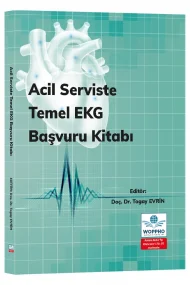
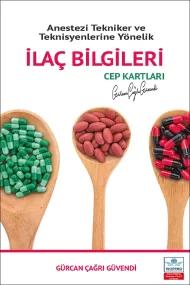
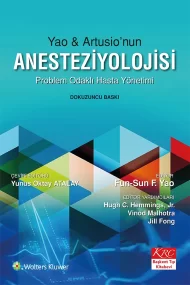
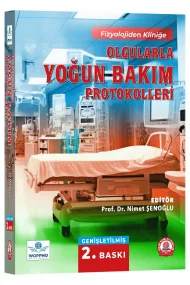
Benzer Kitaplar
It may modify registry keys (e.g., HKCU\Software\Microsoft\Windows\CurrentVersion\Run ) to ensure it starts after a reboot. 3. Extraction & Reverse Engineering
The file often spawns cmd.exe or powershell.exe to execute secondary commands.
(e.g., finding a flag, identifying the C2, or unpacking the binary)
I can then provide a step-by-step walkthrough for that exact variant.
If it contains a .NET binary, tools like dnSpy can reveal the source code logic. Indicators of Compromise (IoCs) Modified Registry Keys: Run or RunOnce keys often targeted. Temporary Files: Dropped payloads in %TEMP% or %APPDATA% .
It may modify registry keys (e.g., HKCU\Software\Microsoft\Windows\CurrentVersion\Run ) to ensure it starts after a reboot. 3. Extraction & Reverse Engineering
The file often spawns cmd.exe or powershell.exe to execute secondary commands.
(e.g., finding a flag, identifying the C2, or unpacking the binary)
I can then provide a step-by-step walkthrough for that exact variant.
If it contains a .NET binary, tools like dnSpy can reveal the source code logic. Indicators of Compromise (IoCs) Modified Registry Keys: Run or RunOnce keys often targeted. Temporary Files: Dropped payloads in %TEMP% or %APPDATA% .