

Oxeye Info
At first glance, the oxeye daisy is the quintessential wildflower. Its structure is a masterclass in minimalist design: a central disc of bright yellow tubular florets ringed by stark white ray petals. This classic appearance has cemented its place in folklore and art. It is the flower of the "he loves me, he loves me not" divination and a staple of the English cottage garden. Historically, it was associated with St. John and believed to have protective qualities, often hung in homes to ward off lightning or evil spirits. Its name itself, "oxeye," stems from its large, round, staring appearance, which ancient observers likened to the eye of a peaceful beast. In these contexts, the flower represents a bridge between humanity and the untamed meadow, a sign of summer’s peak and the vitality of the earth.
The oxeye daisy, scientifically known as Leucanthemum vulgare , is a perennial herb that holds a complex position in the human imagination and the natural world. Often celebrated as a symbol of pastoral beauty and innocence, it is simultaneously regarded by ecologists and agriculturalists as a persistent and sometimes problematic weed. This duality—the tension between its aesthetic charm and its biological opportunism—makes the oxeye daisy a compelling subject for study, reflecting broader themes of human influence on biodiversity and the shifting definitions of what belongs in a landscape. At first glance, the oxeye daisy is the
However, the biological reality of the oxeye daisy reveals a far more aggressive nature. Native to Europe and temperate parts of Asia, it was introduced to North America and Australia as an ornamental plant and a contaminant in grain seeds. Once removed from its natural predators and competitors, it proved to be an incredibly hardy colonizer. A single plant can produce up to 26,000 seeds, which are easily dispersed by wind, water, and animals. These seeds can remain viable in the soil for several years, waiting for the right conditions to sprout. Furthermore, the plant spreads vegetatively through rhizomes, allowing it to form dense mats that choke out native vegetation. It is the flower of the "he loves
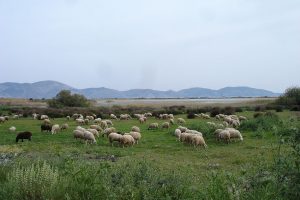
In the world of agriculture, the oxeye daisy is less a flower and more a foe. Because it is unpalatable to most livestock—containing acrid juices that cattle and sheep generally avoid—it can quickly take over overgrazed pastures. As the cows eat the grass and leave the daisies, the daisies expand their footprint, eventually rendering the land less productive for grazing. This has led to its classification as a noxious weed in many regions. The cost of managing its spread through herbicides or mechanical removal is a significant burden for farmers, highlighting how a plant’s value is entirely dependent on its location and the human objectives for that land. Its name itself, "oxeye," stems from its large,
Yet, to view the oxeye daisy solely as a villain is to ignore the lessons it teaches about resilience and adaptation. It thrives in "disturbed" soils—the roadsides, construction sites, and abandoned fields that are the hallmarks of human expansion. It is a pioneer species, one of the first to bring color and life back to ground that has been stripped bare. In this sense, the oxeye daisy is a mirror of human activity; it follows where we go, flourishing in the wake of our movement and our disruption of the natural order.