Volunteer
The rhythm of daily life varies significantly between urban and rural settings. What I Took Back Home with Me After 6 Weeks in India
In a joint family, resources are often pooled into a "common purse". This structure provides economic security but sometimes at the cost of individual development or privacy.
Indian family lifestyle is a complex blend of ancient collectivism and modern individualism, centered on the idea that . While the traditional joint family system—where three to four generations live under one roof and share a kitchen—remains a cultural cornerstone, urbanization is rapidly shifting households toward nuclear structures. Core Family Dynamics
While women have traditionally been expected to manage the home, modern Indian women are increasingly balancing careers with domestic life, though they still often face higher expectations for sacrifice. Daily Life & Routines
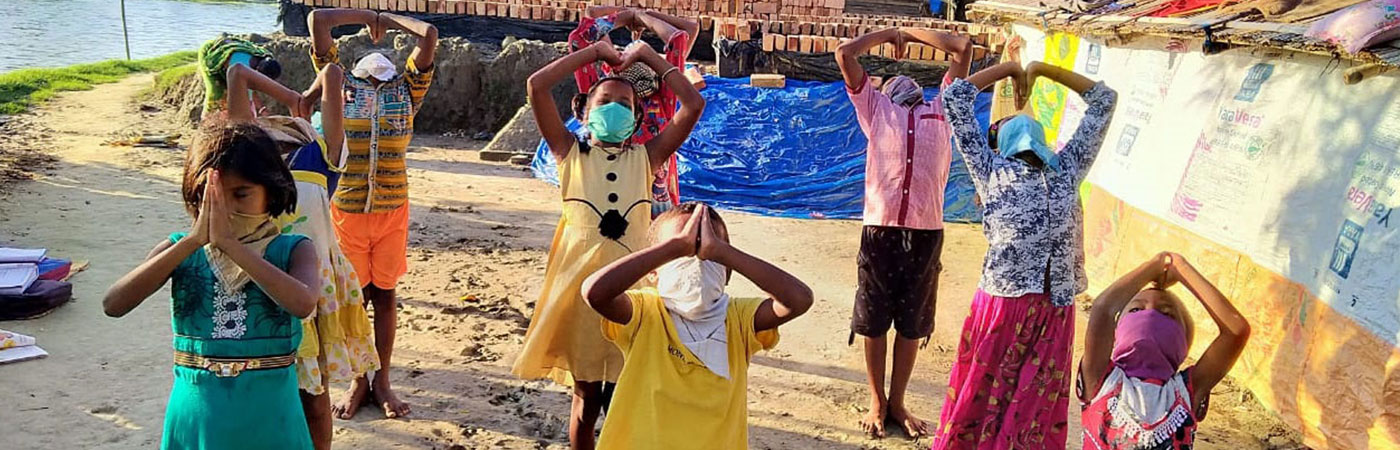
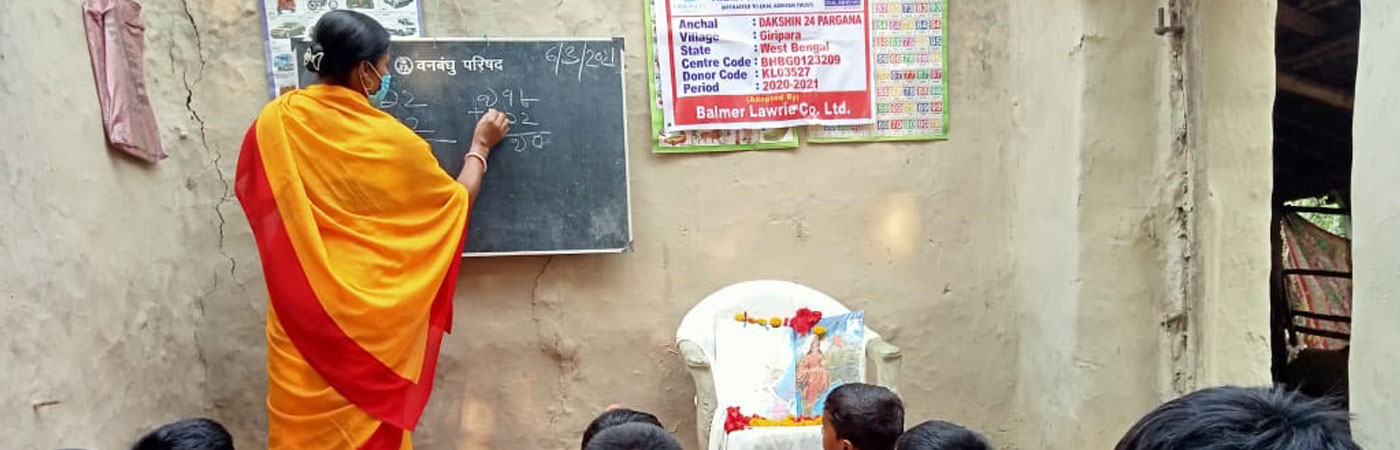
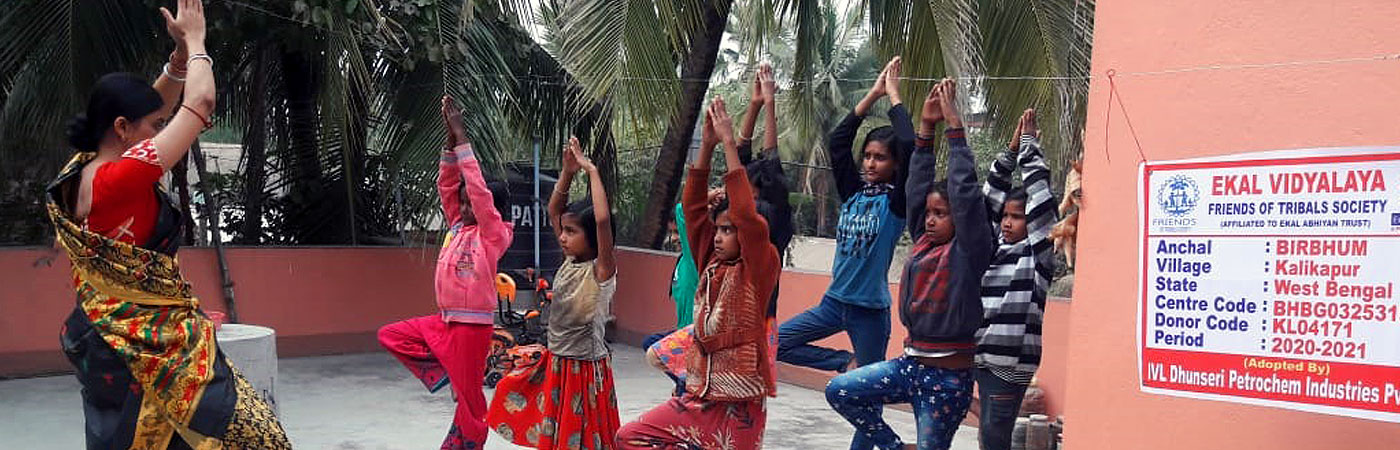


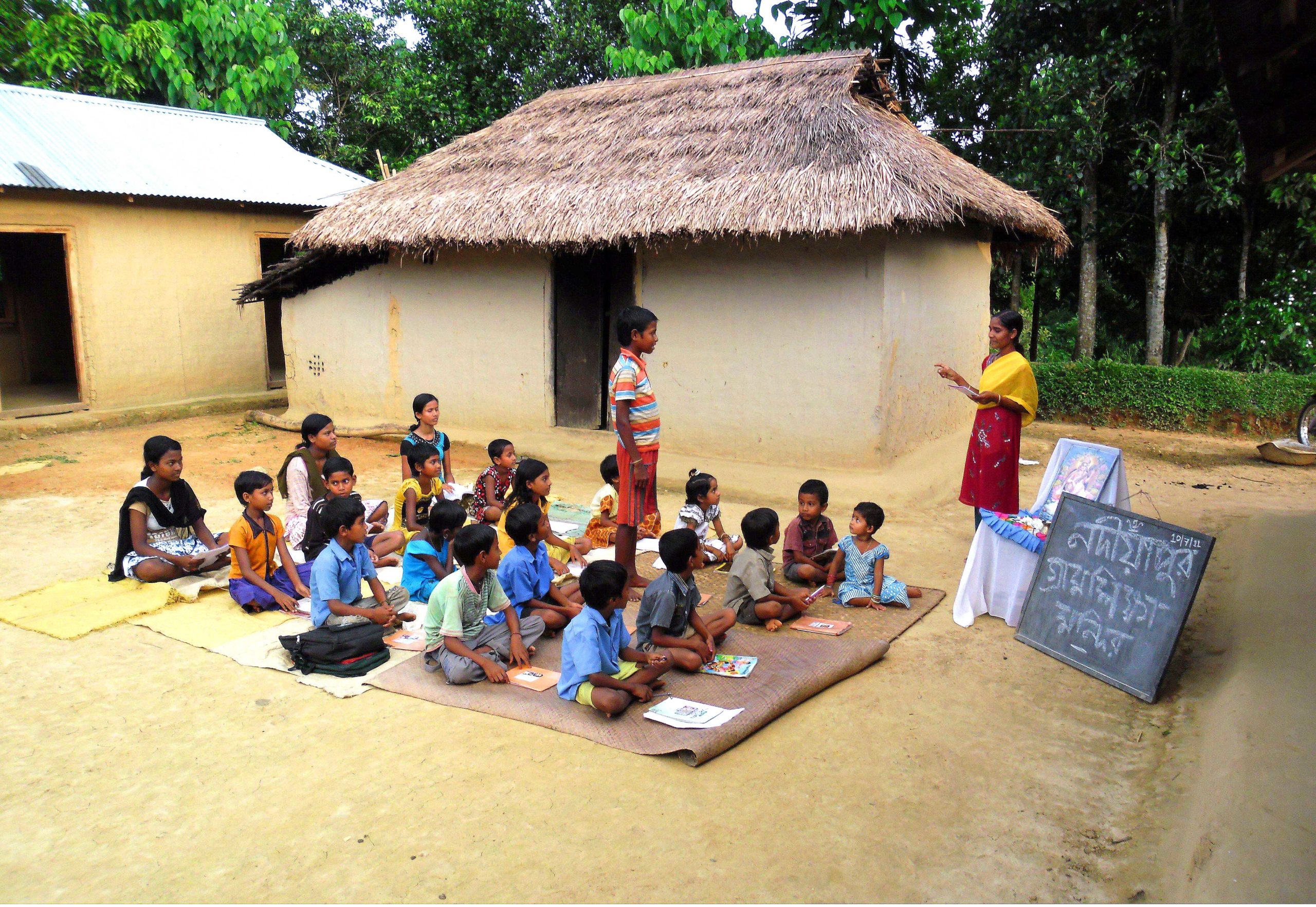

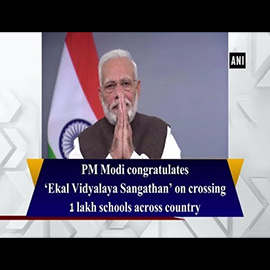
Our activities have been acknowledged with the prestigious Gandhi Peace Prize 2017 handed over by the President of India Shri Ram Nath Kovind along with the Prime Minister of India Shri Narendra Modi as on Oct, 2025


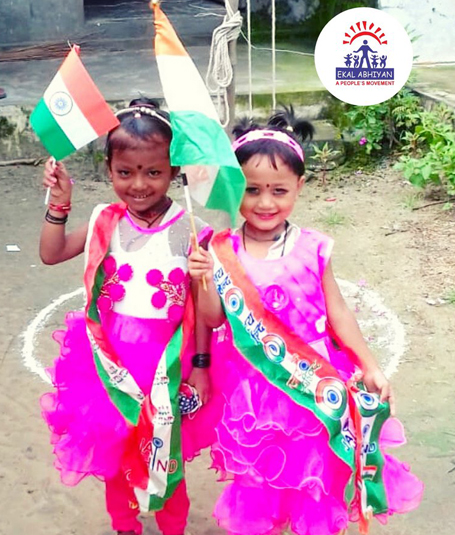
The rhythm of daily life varies significantly between urban and rural settings. What I Took Back Home with Me After 6 Weeks in India
In a joint family, resources are often pooled into a "common purse". This structure provides economic security but sometimes at the cost of individual development or privacy.
Indian family lifestyle is a complex blend of ancient collectivism and modern individualism, centered on the idea that . While the traditional joint family system—where three to four generations live under one roof and share a kitchen—remains a cultural cornerstone, urbanization is rapidly shifting households toward nuclear structures. Core Family Dynamics
While women have traditionally been expected to manage the home, modern Indian women are increasingly balancing careers with domestic life, though they still often face higher expectations for sacrifice. Daily Life & Routines